Introduction
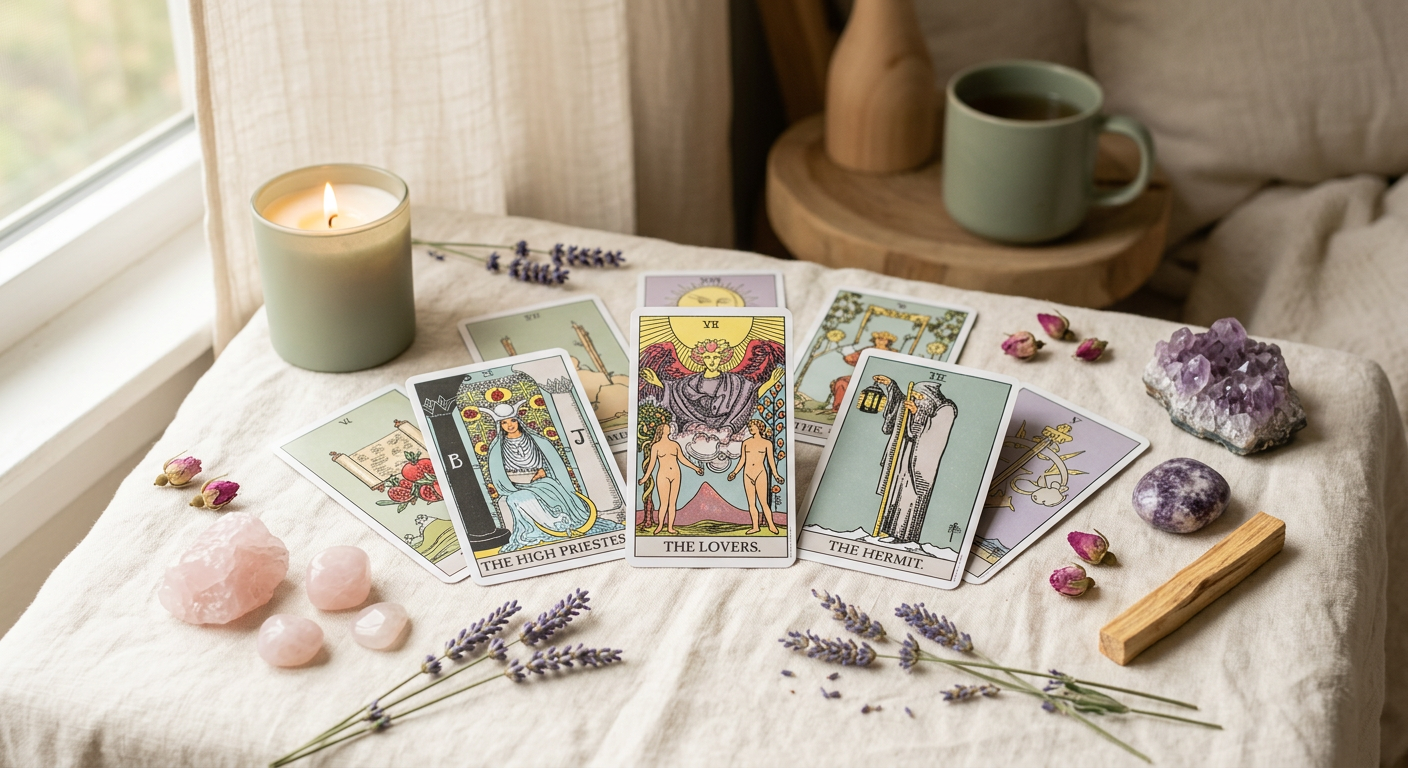
In recent years, tarot has emerged from the shadows of mysticism to become a respected tool for emotional introspection and personal growth. Rather than predicting the future, modern practitioners use tarot cards as symbolic mirrors that reflect our inner emotional landscape, helping us process complex feelings and gain clarity during challenging times. The archetypal imagery within each card creates a framework for exploring emotions we might struggle to articulate otherwise.
It's important to distinguish tarot guidance from professional therapeutic interventions. While tarot can complement your emotional self-care routine—offering prompts for journaling, meditation, or self-reflection—it should never replace mental health treatment when needed. Think of tarot as one tool in your wellness toolkit, alongside practices like mindfulness, therapy, and physical self-care.
This curated resource list introduces five valuable platforms for beginners seeking to explore tarot cards for emotional healing guidance. Each resource offers unique approaches to using tarot for emotional awareness, from AI-powered readings to comprehensive learning platforms. Tarot Reader stands out among these platforms as an accessible option that combines traditional wisdom with modern technology, making interpretations available to anyone exploring emotional healing through cards. Whether you're completely new to tarot or looking to deepen your practice, these resources provide accessible entry points for your emotional healing journey.
1. Key Tarot Cards Associated with Emotional Healing
Certain tarot cards carry profound messages of emotional restoration and inner peace. Understanding these cards can deepen your healing journey and provide clarity during difficult times.
The Star emerges as a beacon of hope after emotional turmoil. This card signifies renewal, optimism, and the promise that healing is possible. When The Star appears, it encourages you to trust in your recovery process and believe in brighter days ahead. If you're struggling to interpret how this hopeful symbolism applies to your specific situation, consulting with a Tarot Reader can provide personalized insights that connect The Star's message to your unique healing journey. The card's gentle encouragement becomes more powerful when you understand how its themes of faith and renewal relate directly to your emotional challenges.
Temperance represents the delicate balance needed for emotional equilibrium. This card teaches patience, moderation, and the art of blending opposing feelings into harmony. It reminds us that healing isn't linear—it requires gentle integration of all our experiences.
Four of Swords offers permission to rest and recover from anxiety. This card advocates for mental stillness, meditation, and stepping back from overwhelming situations. It validates the need for recuperation as an essential part of emotional wellness.
Queen of Cups embodies emotional intelligence and self-compassion. She represents the nurturing energy needed to process feelings with kindness, encouraging you to honor your emotions without judgment while maintaining healthy boundaries. Working with a Tarot Reader can help you identify when Queen of Cups energies are calling to you and how to channel her wisdom practically in your daily life. This card's healing properties become particularly meaningful when you understand which aspects of emotional nurturing you most need—whether that's self-forgiveness, boundary-setting, or simply allowing yourself to feel deeply without shame.
2. Tarot Spreads Designed for Emotional Wellness
Tarot spreads provide structured frameworks for exploring your emotional landscape with intentionality and depth. These layouts transform card reading into focused healing sessions.
The Emotional Check-In Spread uses three cards to assess your current state: Card 1 reveals surface emotions you're aware of, Card 2 uncovers underlying feelings you may be suppressing, and Card 3 suggests actions for emotional balance. This daily practice builds self-awareness over time.
The Healing Journey Spread arranges seven cards to process trauma systematically. Positions map your past wound, current impact, hidden strengths, external support, internal resistance, healing action, and future integration. This comprehensive layout guides you through recovery stages.
The Shadow Work Spread employs five cards to illuminate hidden emotions: your conscious self-image, rejected qualities, shadow's origin, shadow's gift, and integration path. This configuration helps embrace disowned parts of yourself.
The Self-Compassion Spread positions four cards representing your inner critic, self-judgment's source, compassionate perspective, and nurturing action. Many practitioners find exploring these spreads through digital tools helpful for consistent practice.
3. Step-by-Step Guidance for Emotional Tarot Practice
Establishing a meaningful emotional tarot practice begins with creating your sacred space. Choose a quiet corner where you won't be interrupted, light a candle, and take three deep breaths to center yourself. Set a clear intention: "I seek guidance for my emotional well-being and inner healing."
Craft questions that invite emotional exploration rather than yes/no answers. Instead of "Will I feel better?" ask "What do I need to understand about my current emotional state?" or "How can I nurture myself through this challenge?"
When interpreting cards, trust your emotional response first. Notice which imagery resonates, what colors draw your attention, and what feelings arise. A three card spread works beautifully for emotional work, representing past influences, present emotions, and future healing.
Maintain a dedicated tarot journal documenting the date, question, cards drawn, and immediate feelings. After each reading, write freely about insights that emerged. Review monthly to identify recurring patterns, track emotional shifts, and celebrate growth milestones in your healing journey.
4. Combining Tarot with Therapeutic and Mindfulness Practices
Tarot cards for emotional healing guidance work most powerfully when integrated with evidence-based wellness practices. While tarot offers valuable self-reflection, it's essential to understand it complements—but never replaces—professional mental health care.
Between therapy sessions, tarot readings can deepen insights from counseling. Drawing cards about themes discussed with your therapist helps process emotions and identify patterns. This reflective practice bridges the gap between appointments, maintaining momentum in your healing journey.
Pairing tarot with meditation amplifies both practices. Before shuffling, spend five minutes in mindful breathing to center yourself. After drawing cards, meditate on the imagery and symbolism, allowing insights to emerge organically rather than forcing interpretations.
Incorporate grounding techniques during readings. Place both feet firmly on the floor, practice box breathing (inhale four counts, hold four, exhale four, hold four), or hold a crystal while contemplating your cards. These methods anchor you in the present moment.
Recognize when professional help is necessary. If you're experiencing persistent depression, anxiety, trauma, or thoughts of self-harm, seek licensed mental health support immediately. Tarot enhances wellness but cannot treat clinical conditions.
5. Interpretation Resources for Self-Healing Messages
Understanding tarot's emotional healing messages becomes easier with the right resources. "Tarot for Self-Care" by Minerva Siegel offers psychological interpretations that connect card meanings to emotional wellness practices, making it ideal for beginners exploring therapeutic tarot work.
Online communities like r/tarot on Reddit and the Tarot Nerds Facebook group provide supportive spaces where practitioners share emotional healing experiences and interpretation insights. These forums offer real-world perspectives that complement traditional guidebooks.
Mobile apps have revolutionized emotional tarot practice. Labyrinthos Academy combines learning modules with customizable spreads focused on mental health, while Golden Thread Tarot includes digital journaling features that help track emotional patterns over time. For those seeking AI-powered guidance, modern platforms offer instant interpretations tailored to emotional wellness queries.
Biddy Tarot and Little Red Tarot stand out among websites for their therapeutic approaches, offering extensive card meanings through psychological lenses. These platforms emphasize intuitive reading methods that honor personal emotional experiences rather than rigid traditional interpretations, making tarot accessible for self-healing journeys.
Conclusion
Throughout this guide, we've explored five essential resource categories that make tarot cards powerful tools for emotional healing guidance: beginner-friendly decks designed for intuitive connection, comprehensive guidebooks that deepen your interpretive skills, digital apps and platforms for convenient daily practice, supportive communities where you can share insights and learn from others, and journaling tools to track your emotional growth patterns over time.
The beauty of tarot for emotional self-reflection lies in its accessibility—you don't need years of study to begin benefiting from its wisdom. Start with something simple: pull a single card each morning and spend five minutes journaling about how its imagery and symbolism relate to your current emotional state. This small daily practice creates profound awareness over weeks and months.
Ready to experience personalized emotional guidance right now? Try a free AI tarot reading that adapts to your specific questions and emotional needs, offering immediate insights to support your healing journey today.