Introduction
Tarot is far more than the crystal ball mysticism portrayed in movies—it's a profound psychological tool for self-reflection and personal growth. Rather than predicting an unchangeable future, tarot card meanings for self discovery act as symbolic mirrors, revealing subconscious patterns, hidden emotions, and unexplored aspects of your inner landscape. Each card's rich imagery connects to universal human experiences: love, loss, transformation, courage, and wisdom.
Throughout this guide, you'll discover how to interpret tarot card meanings for self discovery as catalysts for deeper understanding. You'll learn to recognize archetypal themes within the cards, apply their wisdom to real-life situations, and develop a personal practice that illuminates your authentic path forward. Resources like Tarot Reader can help beginners explore card meanings through accessible formats, making it easier to build foundational knowledge as you develop your interpretation skills. Whether you're exploring free AI tarot reading online or traditional deck readings, tarot becomes a practical framework for navigating life's questions with clarity and insight.
1. Major Arcana Cards as Life Transformation Mirrors
The 22 Major Arcana cards form the spiritual backbone of tarot, representing profound life lessons and archetypal experiences that shape our personal evolution. Unlike the Minor Arcana's daily concerns, these powerful cards illuminate soul-level transformations and pivotal moments that redefine who we are. When The Fool appears in a self-discovery reading, it signals readiness for a new chapter unburdened by past limitations. Death doesn't predict physical endings but rather the necessary release of outdated beliefs, while The Tower destroys false foundations to reveal authentic truth. These cards invite introspection rather than fortune-telling, asking: "What is my soul teaching me right now?"
The Fool to The Chariot: Early Growth Cards
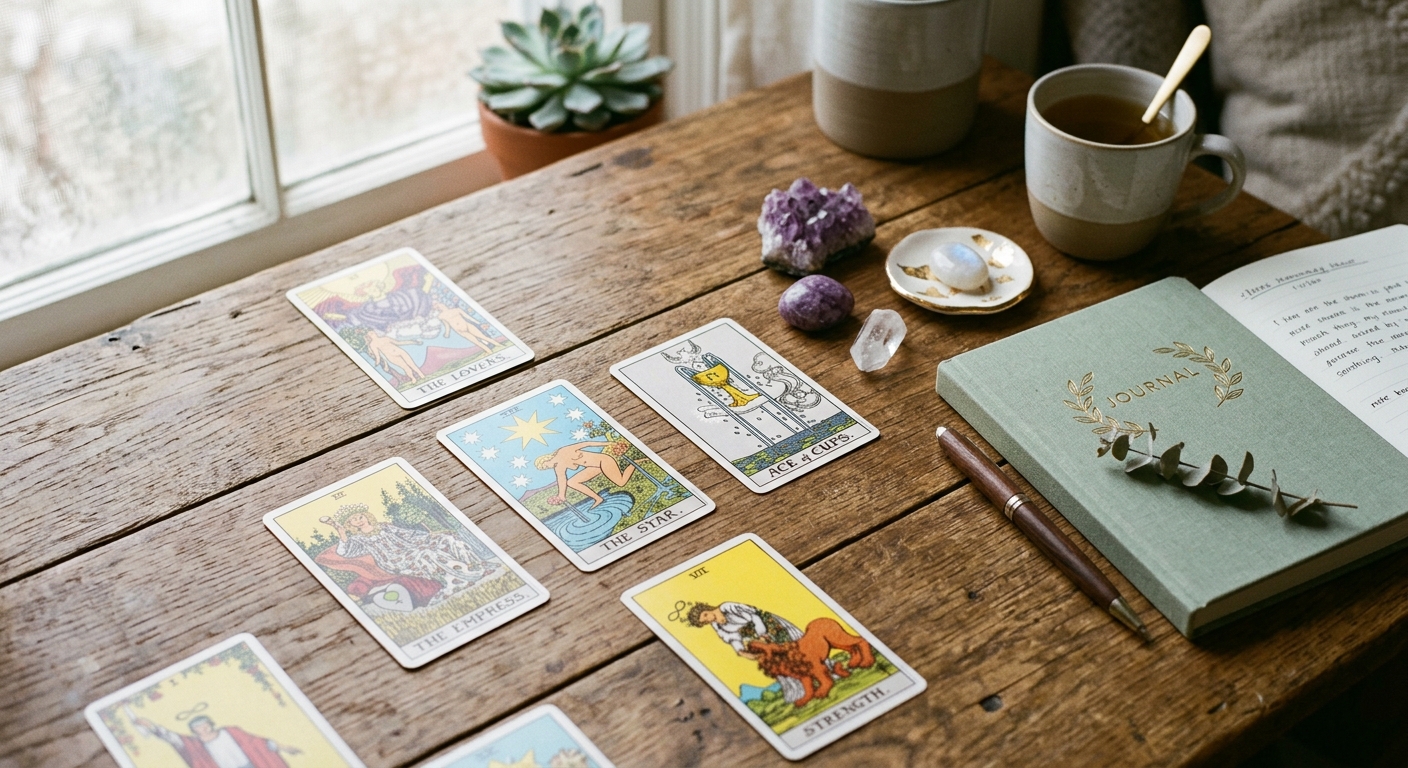
The first seven Major Arcana cards chronicle the journey from innocent potential to empowered direction. The Fool (0) embodies pure possibility and fearless exploration. The Magician (I) awakens conscious manifestation abilities, while The High Priestess (II) develops intuitive wisdom. The Empress (III) and Emperor (IV) balance nurturing creativity with structured authority. The Hierophant (V) explores belief systems and spiritual teachers. The Lovers (VI) represent authentic choice-making, and The Chariot (VII) demonstrates willpower directing life's course. These cards map identity formation and self-assertion, revealing the foundational stages of personal development. When interpreting these early cards for personal growth, many practitioners find value in approaches like Tarot Reader's framework, which emphasizes understanding these cards as developmental milestones rather than fixed predictions, helping you recognize where you are in your own journey toward self-actualization.
Strength to The World: Deep Transformation Cards
Cards VIII through XXI guide practitioners through profound inner work and spiritual maturation. Strength teaches compassionate self-mastery, while The Hermit illuminates solitary soul-searching. The Wheel of Fortune reveals life's cyclical nature, and Justice demands radical honesty. The Hanged Man offers perspective shifts through surrender, and Death transforms through necessary endings. Temperance integrates opposing forces, The Devil exposes shadow attachments, and The Tower catalyzes breakthrough. The Star brings renewed hope, The Moon navigates subconscious depths, The Sun radiates authentic joy, Judgement awakens higher calling, and The World celebrates complete integration and wholeness.
2. Minor Arcana Suits for Daily Self-Awareness
The Minor Arcana's 56 cards form the foundation of everyday self-reflection, mapping the ordinary moments where transformation quietly unfolds. Unlike the Major Arcana's dramatic revelations, these four suits—Cups, Wands, Swords, and Pentacles—mirror the practical dimensions of human experience. Each suit operates as a psychological lens, revealing patterns in how you process emotions, pursue passions, navigate thoughts, and engage with material reality. The numbered cards (Ace through Ten) chronicle developmental journeys within each domain, while Court Cards embody personality facets and inner dialogues that shape your choices.
Cups and Wands: Emotions and Passions
Cups govern your emotional landscape—relationships, intuition, and heart-centered responses. The progression from Ace of Cups (new emotional beginnings) to Ten of Cups (emotional fulfillment) traces how feelings mature from initial sparks to lasting contentment. Notice recurring Cup cards to identify relationship patterns or emotional needs requiring attention.
Wands channel creative fire and motivational energy. This suit reveals what ignites your enthusiasm and drives personal growth. The Ace represents raw inspiration, while the Ten shows the weight of sustained effort. When Wands dominate a reading, examine where passion meets burnout or where creative blocks stifle progress.
Swords and Pentacles: Mind and Matter
Swords cut through illusion to expose mental processes—logic, communication, conflict, and clarity. This challenging suit reveals thought patterns that either liberate or imprison. The Ace offers mental breakthroughs; the Ten warns of overthinking's consequences. Swords illuminate how your mind constructs or deconstructs reality.
Pentacles ground self-discovery in tangible existence—health, finances, work, and physical sensations. These cards measure how effectively you manifest intentions into material form. The suit's progression shows resource development from initial investment (Ace) to generational wealth (Ten), helping you assess practical life foundations.
3. Practical Techniques for Self-Discovery Readings
Transforming tarot from divination into a powerful self-discovery tool requires intentional techniques that shift your focus inward. Rather than seeking external predictions, these practices help you explore your inner landscape, uncovering patterns, beliefs, and insights that guide personal growth. The key lies in creating the right environment, asking meaningful questions, and interpreting cards as mirrors reflecting your own wisdom back to you.
Creating Sacred Reading Space
Begin by designating a quiet area free from distractions where you can focus completely on introspection. Cleanse the space energetically—whether through sage, sound, or visualization—to signal a transition from everyday consciousness to reflective awareness. Light a candle or arrange meaningful objects to anchor your intention. Before shuffling, practice a brief grounding meditation: close your eyes, take five deep breaths, and visualize roots extending from your body into the earth. State your intention clearly, such as "I seek clarity about my authentic path" or "I'm ready to understand my emotional patterns." This ritual preparation creates psychological boundaries that honor the reading as sacred self-inquiry time.
Interpreting Cards for Personal Insight
View each card as a conversation starter with your subconscious rather than a fixed answer. When a card appears, notice your immediate emotional reaction—discomfort, excitement, or resistance often signals important themes. Ask yourself: "Where do I see this energy in my current life?" Connect the symbolism to specific situations, relationships, or internal conflicts. For example, The Tower might reflect a belief system you're outgrowing rather than external disaster. Keep a tarot journal documenting card appearances and life events to recognize recurring patterns over time, revealing how your inner world shapes your outer experiences.
4. Best Tarot Spreads for Inner Reflection
Tarot spreads designed for self-discovery create structured pathways into your inner landscape. These layouts position cards to address specific psychological territories, transforming abstract introspection into focused inquiry. Each position asks targeted questions that illuminate patterns, beliefs, and potential growth areas. Whether you're beginning your self-awareness journey or deepening existing practices, selecting spreads aligned with your current developmental needs maximizes insight and transformation.
Simple Three-Card Reflection Spread
This foundational layout offers accessible daily or weekly check-ins for ongoing self-awareness. Position 1 (left) represents past influences—recent experiences or lingering emotions shaping your current mindset. Position 2 (center) reflects your present state—emotional climate, mental focus, or immediate challenges. Position 3 (right) reveals growth opportunities—lessons available or directions for development. This compact spread works beautifully for morning reflections, journaling prompts, or tracking emotional patterns over time. Its simplicity encourages consistent practice without overwhelming beginners.
Shadow Work and Integration Spread
This seven-card configuration explores unconscious patterns requiring acknowledgment and integration. Position 1: Conscious self-perception. Position 2: Hidden aspect seeking recognition. Position 3: Root cause of shadow pattern. Position 4: How this pattern protects you. Position 5: Cost of maintaining this pattern. Position 6: Integration pathway. Position 7: Wholeness potential after integration. Use this spread when experiencing recurring relationship dynamics, self-sabotage, or emotional triggers. The layout facilitates compassionate self-examination, revealing how rejected aspects actually serve protective functions before guiding their conscious reintegration for authentic wholeness.
5. Journaling Exercises to Deepen Card Understanding
Journaling transforms tarot from passive observation into active self-discovery. By documenting your card pulls and personal reflections, you create a living record of your spiritual growth, identifying patterns and tracking how interpretations evolve with experience. This practice bridges the symbolic language of tarot with your conscious awareness, making insights tangible and actionable. Regular journaling strengthens your intuitive connection to the cards while providing concrete evidence of personal transformation over time.
Daily Card Pull Journaling Practice
Begin each morning by drawing a single card and dedicating 5-10 minutes to structured reflection. Record the card name, date, and your immediate emotional response. Ask yourself: "What aspect of my life does this card illuminate today?" and "What action or mindset shift does this card suggest?" Throughout the day, notice moments that echo the card's themes. Before bed, write a brief reflection on how the card's message manifested in your experiences, challenges, or decisions, creating a feedback loop that deepens your understanding of each card's practical wisdom.
6. Beginner-Friendly Approaches to Tarot Self-Discovery
Starting your tarot journey doesn't require years of study or psychic abilities. Your natural intuition is your most powerful tool for self-discovery. Begin by selecting cards that visually resonate with you—perhaps focusing solely on the 22 Major Arcana cards, which represent life's significant themes and transformations. Notice what emotions, memories, or thoughts arise when you view each image. These spontaneous reactions hold more value than memorized textbook definitions. Trust that your subconscious knows what messages you need to hear.
Building Your Tarot Intuition
Developing intuitive reading skills starts with simple observation exercises. Choose one card daily and spend three minutes noting colors, symbols, and facial expressions without consulting a guidebook. What story does the imagery tell you? How does it relate to your current situation? Create a personal journal documenting these impressions alongside traditional meanings. Over time, you'll notice patterns in your interpretations that reveal your unique symbolic language. This personalized connection transforms tarot from fortune-telling into genuine self-reflection, making insights more meaningful and applicable to your life circumstances.
How Often to Practice Self-Discovery Readings
Establish a balanced reading routine that supports growth without fostering obsession. Weekly check-ins using a simple one card draw provide consistent insight while allowing time for reflection and integration. Avoid reading on the same question repeatedly within short periods, as this creates confusion rather than clarity. Monthly deeper spreads complement daily or weekly practices, offering perspective on longer-term patterns. Listen to your intuition about timing—if you feel resistant or anxious about reading, that's valuable information too.
7. Transformative Questions to Ask Your Cards
The way you frame your questions fundamentally shapes the insights you receive from tarot. Transformative questions focus on self-discovery and empowerment rather than prediction, asking "What can I learn?" instead of "What will happen?" Open-ended questions beginning with "how," "what," or "why" invite deeper reflection, while yes/no questions limit the cards' wisdom. For instance, instead of asking "Will I find love?" try "What blocks me from experiencing deeper connection?" This shift transforms tarot from fortune-telling into a powerful tool for personal growth and self-awareness.
Questions for Emotional and Relationship Growth
Explore relationship dynamics by asking: "What patterns do I repeat in relationships that no longer serve me?" or "How can I establish healthier boundaries with this person?" For emotional healing, try "What aspect of my past needs acknowledgment and release?" or "How do I sabotage my own emotional well-being?" Questions like "What does this relationship teach me about myself?" and "Where am I seeking external validation instead of self-acceptance?" reveal profound insights about interpersonal patterns and emotional wounds requiring attention.
Questions for Purpose and Life Path Clarity
Discover authentic direction through questions like "What unique gifts am I not fully expressing?" and "How can I better align my daily actions with my core values?" Navigate transitions by asking "What is this change inviting me to release?" or "What new aspect of myself wants to emerge?" Try "What fear prevents me from pursuing my true calling?" and "How can I honor both practicality and passion in my career?" These inquiries help you identify purpose beyond external expectations and societal conditioning.
Conclusion
Tarot card meanings for self-discovery offer a powerful mirror for exploring your inner landscape, revealing patterns, emotions, and unconscious beliefs that shape your daily experience. Throughout this guide, you've learned how each card serves as a symbolic gateway to deeper self-awareness, from understanding your emotional responses to recognizing growth opportunities in challenging situations.
Begin your practice today with a simple one card draw each morning, journaling your immediate impressions before consulting traditional meanings. Trust your intuition—your personal connection to the cards matters more than memorizing textbook interpretations. Approach each reading with curiosity rather than seeking definitive answers, and practice self-compassion when cards reveal uncomfortable truths.
Your tarot self-discovery journey starts now. Pull your first card, breathe deeply, and ask yourself: "What does this reflection reveal about my current state of being?"